
Roofing Tips
Can You Repair Just One Part of a Roof? Repair vs. Replace and What to Consider
By Cache Roofing Team · Published · Updated
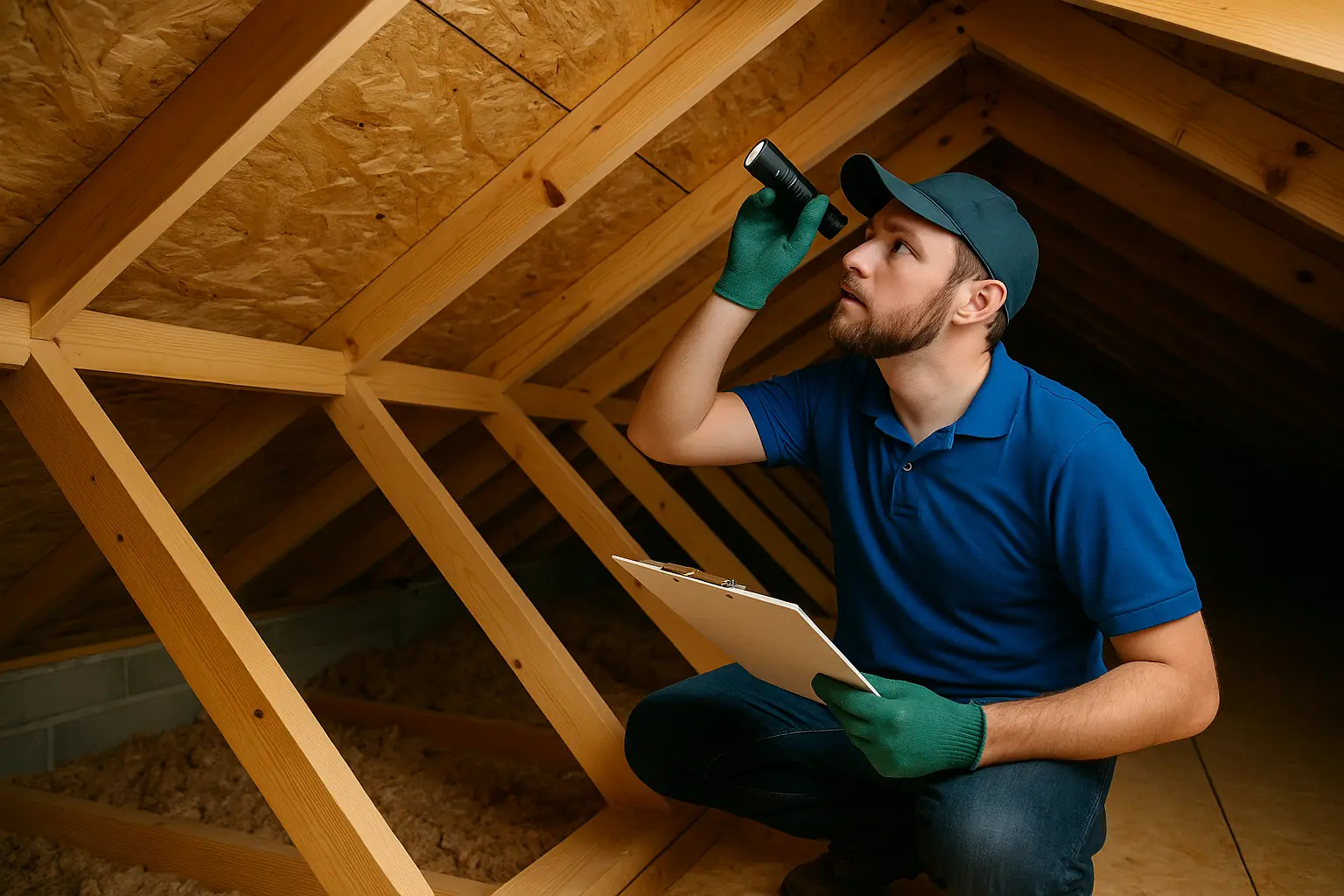
If your roof took a hit during a recent storm or you’ve noticed a leak in one room, it’s natural to hope the issue can be fixed with a quick patch. The idea of a full replacement can feel overwhelming especially when the damage seems limited.
So the real question becomes: can you just repair the damaged part, or is it one of those situations where replacement makes more sense?
Let’s walk through what matters most in making that call.
When a Repair Might Be Enough
Not every roofing issue requires a full overhaul. Sometimes, the damage is confined to a single area and can be addressed without touching the rest of the roof.
Replacing a Few Missing or Damaged Shingles
If a few shingles blew off during a storm or curled up in one corner, this might be a fixable situation. A professional can check the decking underneath to see if it’s still solid. If it is, slipping in new shingles where the old ones failed could be the right move.
There may be a slight difference in color if the roof’s been weathered for a few years, but many homeowners don’t mind the tradeoff, especially if the repair helps extend the roof’s life without a major investment.
Repairing Leaks Around Flashing or Roof Vents
Leaks often come from worn flashing around chimneys, vents, or skylights. If the surrounding shingles are still doing their job, repairing just that specific area can usually take care of the problem.
These types of issues are fairly common, and they don’t always signal larger trouble, especially if the rest of the roof is in good shape.
When It’s More Than Just a Patch Job
While it’s tempting to keep fixing things as they come up, there’s a point where repairs stop being cost-effective. Knowing how to spot that shift is key.
You’re Seeing Signs That the Roof Needs Replacing
- Cracked or Slipped Tile: When multiple tiles are loose, cracked, or shifted out of place, it usually points to aging materials or worn underlayment.
- Metal Panels With Gaps or Loose Fasteners: If you notice lifted edges, missing screws, or movement along the seams, the roof is likely reaching the point where components are starting to fail.
- Shingle Granules in the Gutters: These small particles look like coarse sand. When they start showing up, it usually means the shingles are breaking down and can’t protect your roof much longer.
- More Than One Leak: A leak in one room can be patchable. Multiple leaks often mean the entire roof is starting to fail.
Is a 20-Year-Old Roof Too Old to Fix?
Age plays a major role in choosing between repair and replacement. Tile roofs can last several decades, but once the underlayment reaches 20–30 years, issues start appearing no matter how good the tiles look. Metal roofs generally hold up well long-term, yet older panels with worn fasteners or aging seams may only benefit from short-term repairs.
Let’s say a contractor offers to fix a leak for $1,000 but your roof is already 22 years old. If there’s a good chance you’ll need a full replacement within the next two years, that repair might not be a wise investment. Many homeowners in this situation end up replacing the roof shortly after, feeling like they paid twice.
When weighing roof repair vs roof replacement, age plays a huge role in tipping the scale.
A younger roof with isolated damage? Likely repairable. An older roof showing widespread wear? Replacement is usually the smarter choice.
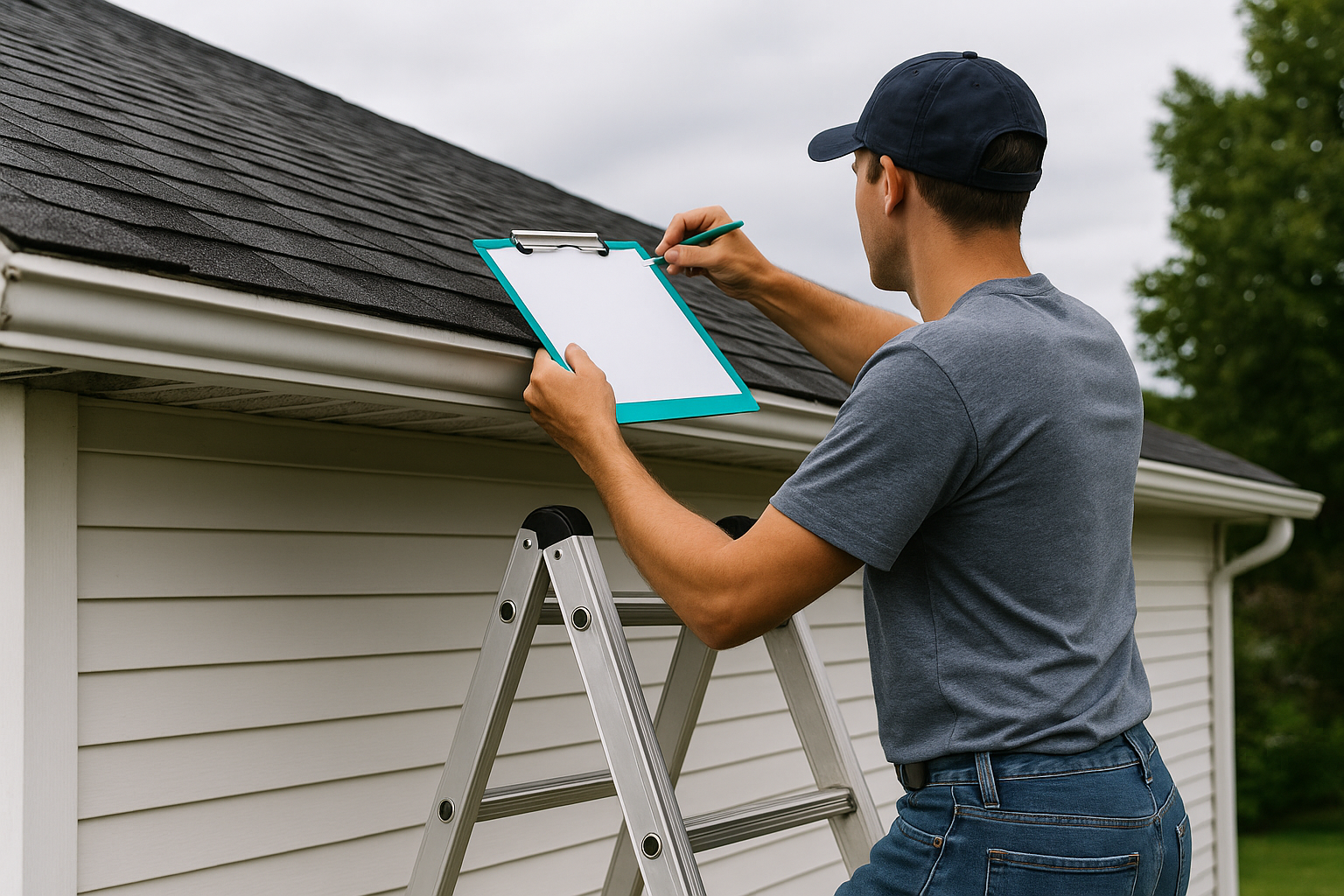
What If Only Half the Roof Looks Damaged?
Some homeowners ask if it’s possible to replace just one side of the roof. Technically, yes but it often leads to complications later on.
First, the two sides will age differently. You’ll likely run into color mismatch and will have to repeat the entire process again when the other half starts to fail. Second, it can make future repairs more difficult since the materials and timelines won’t line up. In most of these cases, going for a full roof replacement becomes the better long-term option.
What About the Cost of Partial Repairs?
It might seem like repairing half the roof would cost half as much but that’s not always the case. Crews still have to show up with all the equipment, and much of the labor is the same regardless of whether they’re covering 30% or 100%.
So while the material costs are lower, the price-per-square-foot often ends up being higher on partial jobs. If you’re doing repairs multiple times over a few years, those costs can add up quickly.
What If Insurance Only Covers a Portion?
This is a common roadblock. Sometimes insurance will pay for repairs to just the damaged area, but not for a full replacement, especially if the issue is chalked up to age.
You can try having a contractor speak directly with the adjuster if they believe the roof won’t hold up with just a partial fix. If that doesn’t lead to more coverage, some homeowners decide to use the payout toward the full job and handle the rest out of pocket. It’s not ideal, but it may still be the more cost-effective option over time.
Final Thought: Don’t Guess, Get the Facts
There’s no one-size-fits-all answer here. Some roofs genuinely only need a quick fix. Others may be signaling that it’s time to stop patching and start planning.
Understanding how to know if a roof needs to be replaced starts with looking at the big picture: the roof’s age, the type of damage, and the history of repairs. Once you have that context, the decision becomes clearer and a lot less stressful.
If you’re still in that in-between phase, reviewing the basics of repair vs replacement can help you weigh your options before committing to a decision.
About the author
The Cache Roofing Team writes from field experience on Northeast Florida roofs. Cache Roofing is a Florida certified roofing contractor (license #CCC1336213) based in Jacksonville. Learn more about the company.