
Storm & Insurance
How to File a Roof Insurance Claim in Florida
By Cache Roofing Team · Published
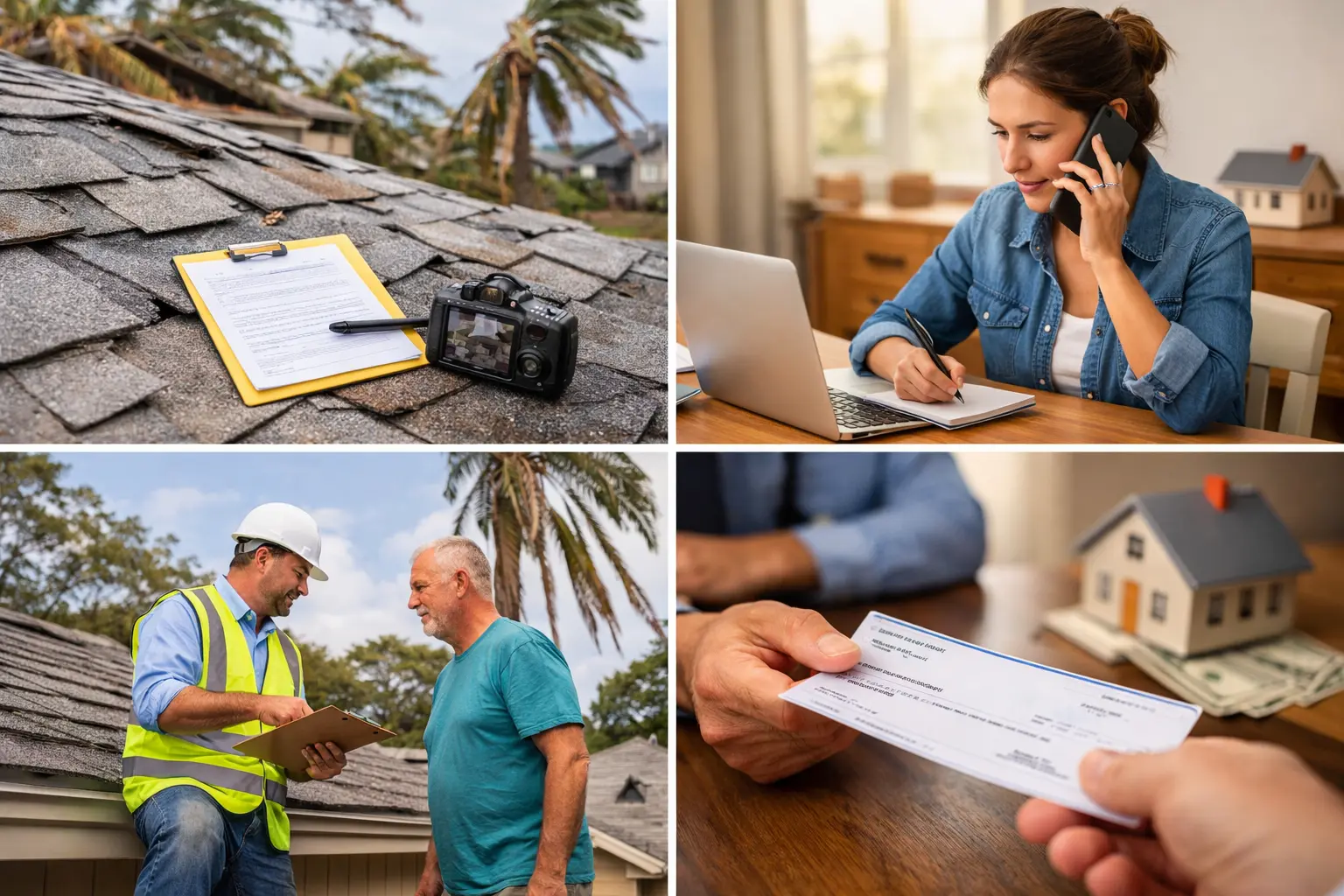
Your roof took a beating from last night’s storm. Tiles are cracked, metal panels are lifted, and there’s a dark stain spreading on your bedroom ceiling. The last thing you want to deal with right now is insurance paperwork and adjuster meetings. The roof damage insurance claim process can feel overwhelming, but knowing what to expect makes it more manageable.
This guide walks you through each step so you understand how the process works and what you need to do.
What to Do After Roof Storm Damage Hits Your Home
Start with photos. You’ll need clear images of damaged tiles, dents in metal panels, compromised flashing, and any visible leaks or water stains inside your home. Take wide shots showing the full scope, then zoom in for close-ups.
Don’t climb on your roof to get these photos. Shoot from the ground, from windows, or let a professional document the damage safely from up close. Create a simple spreadsheet with the date, time, and brief descriptions of each damaged area. This detail matters more than most homeowners realize when navigating a roof claim with insurance companies.
Contact Your Insurer and Schedule a Professional Inspection
Call your insurance company within 24-48 hours of discovering the damage. They’ll assign an adjuster and schedule a visit.
Here’s a roofing insurance claim tip many homeowners miss: you can have your own contractor inspect the damage independently. Having a qualified roofer’s assessment can provide documentation that supports your roof damage insurance claim. Wind uplift can compromise roofing materials without visible damage from the ground. Hail creates cracks in tile and dents in metal that are easy to miss without close inspection.
Dealing With the Insurance Adjuster for Your Roof
The insurance adjuster will walk your property and assess the damage. They’re trained to evaluate losses, but they also work for the insurance company. Their initial estimate might not capture everything, and that’s normal.
Stay present during the inspection. Point out any areas of concern and ask questions. Take your own notes on what the adjuster says and your own photographs. If you’ve had an independent inspection done, compare findings. This isn’t about being confrontational — it’s about making sure nothing gets overlooked.
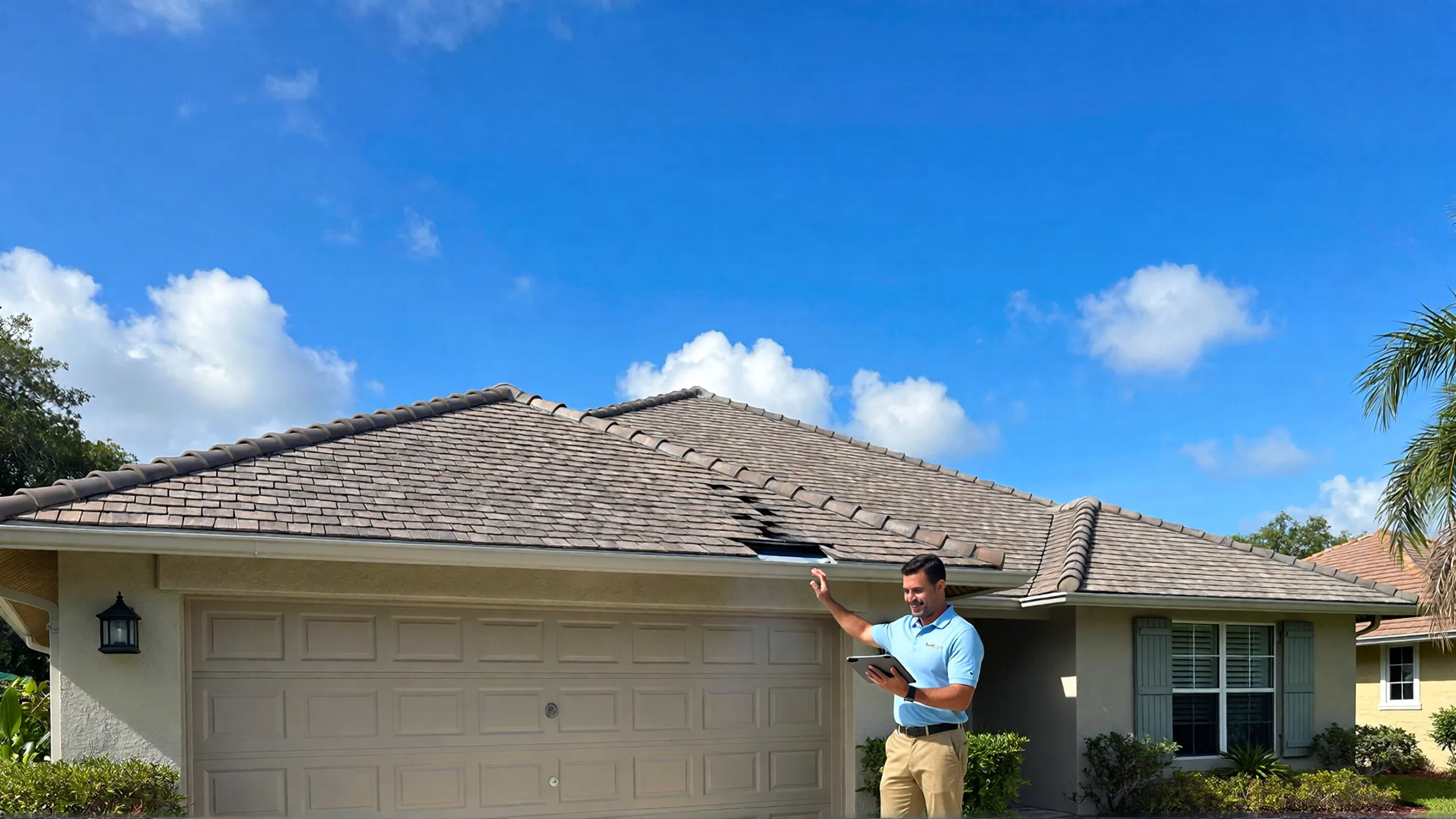
Understanding Florida’s Hurricane Deductible
Many Jacksonville homeowners are caught off guard by hurricane deductibles. Unlike your standard deductible, hurricane deductibles are calculated as a percentage of your home’s insured value, usually between 2% and 10%. On a $300,000 home, that’s $6,000 to $30,000 out of pocket.
Check your policy before filing. If the storm wasn’t officially declared a hurricane, your standard deductible applies. This distinction can save you thousands.
How to Get Insurance to Pay for Your New Roof in Florida
When the adjuster’s report arrives, read every line. Insurance estimates often use depreciated values or may not include all necessary repairs. Look for line items covering full replacement costs versus partial repair amounts.
Florida’s insurance market has become stricter in recent years. Carriers are more careful about what they approve, which makes thorough documentation critical. If the estimate seems low or is missing components, you can request a re-inspection or have your contractor submit a supplement with additional findings and updated pricing. In some cases, Florida’s 25% roof replacement rule may come into play and affect your claim outcome.
What Gets Covered and What Doesn’t
Standard homeowners policies typically cover storm damage, wind damage, and hail damage. What they won’t cover is normal wear and maintenance issues. If your roof was already compromised before the storm, insurers may deny the claim or reduce the payout.
This is why regular maintenance matters. An aging roof with existing problems can complicate claims. Insurance adjusters will look for evidence of pre-existing damage to reduce their liability. Different roofing materials have different vulnerabilities — clay and concrete tiles can crack over time, while metal panels may develop issues like oil canning that affect how damage is assessed.
Working With a Roofing Contractor Through the Claims Process
Florida law changed how roofing contractors can participate in insurance claims. Contractors can no longer file claims on your behalf, but they can provide inspections, estimates, and documentation you need to support your case.
Once your claim is approved, choosing the right contractor matters. Make sure the approved amount covers quality materials and proper installation. Some carriers may push for cheaper alternatives that won’t hold up in Jacksonville’s climate. Understanding what goes into properly fixing storm-damaged roofing helps you evaluate if the settlement is fair.
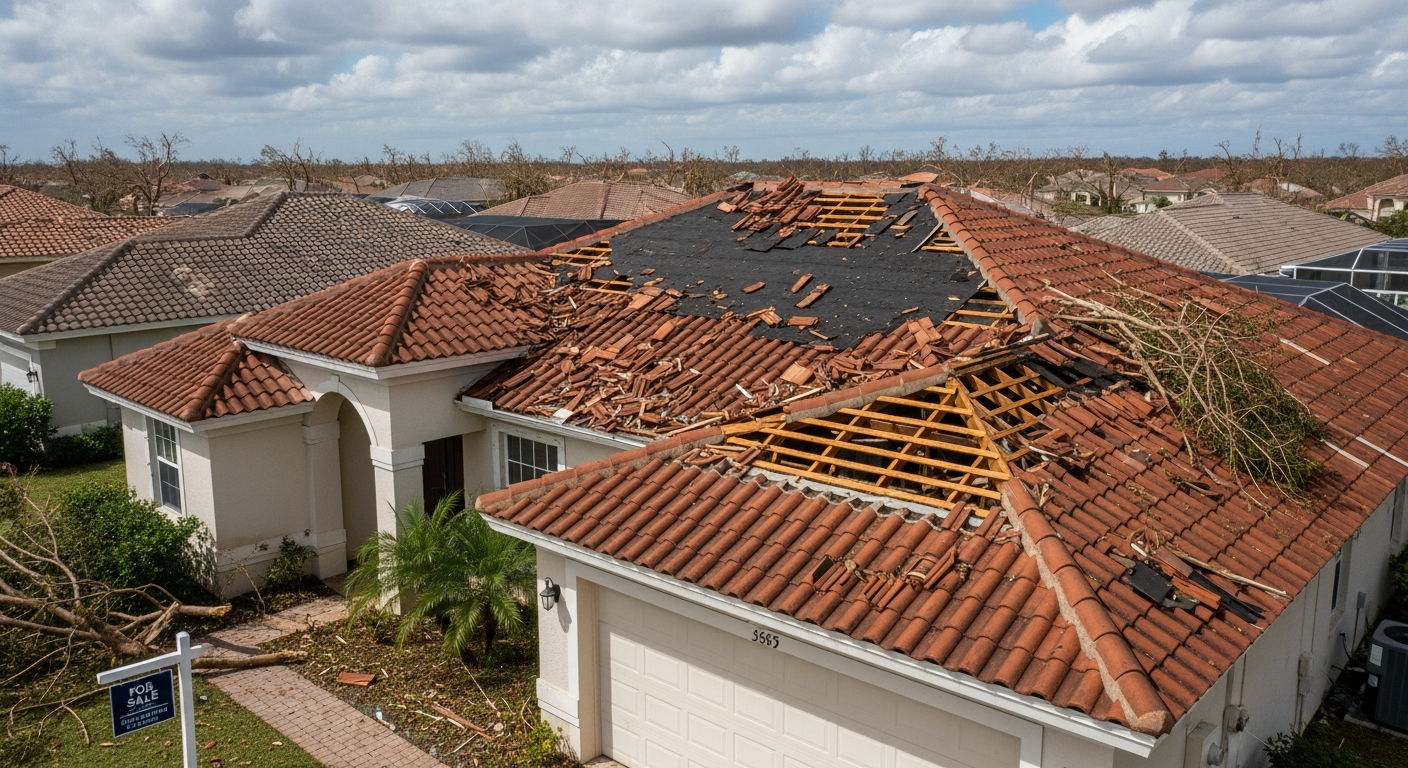
Getting Started on Your Insurance Claim
The sooner you start navigating your roof claim with insurance, the better your outcome. Florida requires insurance companies to acknowledge claims within 14 days and investigate within specific timeframes, but these deadlines only start when you file.
If you’re dealing with storm damage, document everything, contact your insurance company promptly, and consider getting an independent roof inspection to support your claim. The more information you have, the stronger your position.
Want to learn more about how hurricanes affect your roof and what to watch for? Check out our guide on preparing your roof for Florida’s hurricane season.
Frequently Asked Questions
Should I contact my insurance company or a roofer first?
Contact both. Reach out to your insurance company to start a claim, then schedule an independent inspection. Having your own documentation while the damage is fresh can support your claim.
How long do I have to file a claim?
Most Florida policies require you to report damage promptly — typically within a year, but check your specific policy. The sooner you file, the easier it is to document storm-related damage versus wear and tear.
What if I disagree with the adjuster’s assessment?
You can request a re-inspection, provide additional documentation from an independent contractor, or in some cases, hire a public adjuster to advocate on your behalf.
Will my rates go up if I file a claim?
Possibly. Florida’s insurance market is volatile, and filing claims can affect your premiums or renewability. Weigh the repair costs against your deductible and potential rate increases before deciding to file.
About the author
The Cache Roofing Team writes from field experience on Northeast Florida roofs. Cache Roofing is a Florida certified roofing contractor (license #CCC1336213) based in Jacksonville. Learn more about the company.