
Storm & Insurance
Is Your Roof Hurricane-Ready? A Roof Inspection Checklist for Florida Homeowners
By Cache Roofing Team · Published · Updated
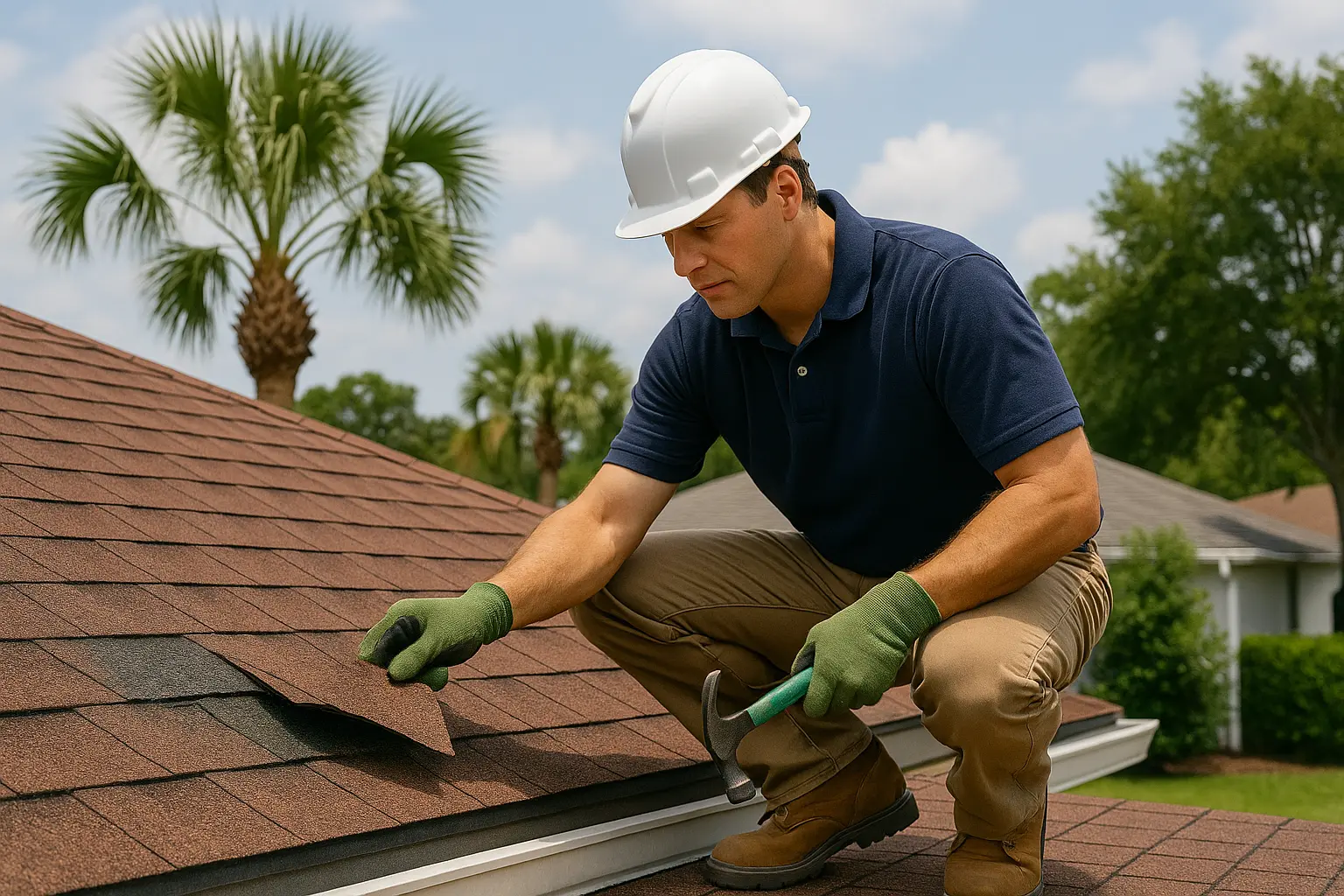
Before You Do Anything: Safety Warning
Never walk on your own roof. A fall from even a one-story home can kill you or cause permanent injury. This DIY roof inspection checklist covers what you can check from the ground or inside your attic. Anything that requires climbing on the roof should be left to a licensed contractor.
Start Your DIY Roof Inspection From the Ground
What You Can See With Binoculars
Your inspection starts in your yard. Grab a pair of binoculars and walk around your property to see your roof from different angles. You’d be surprised how much you can spot without ever touching a ladder.
Lifted or displaced roofing materials are major red flags during hurricane season. On tile roofs, cracked, loose, or slipped tiles expose the underlayment, allowing wind and water to get underneath. Even a single shifted tile can compromise a larger section.
On metal roofs, look for lifted panels, loose fasteners, missing screws, or gaps along seams. Any separation creates a point where wind can get under the panels and start pulling them up.
Checking Roof Surface, Gutters, and Debris
Tree branches or heavy leaf piles sitting on your roof trap moisture and accelerate deterioration. During a storm, they also become dangerous flying debris. Anything sitting on the surface needs to be cleared before hurricane season.
Check your gutters for buildup or roof material residue. Heavy debris in the gutters can block drainage and push water back toward the roof, increasing the chance of leaks during severe weather.
Don’t Ignore the Edges
Look at the soffits and fascia boards along your roof’s edge. Peeling paint or water stains in these spots mean water is sneaking behind your gutter system. That’s a problem that gets worse fast once heavy rain starts coming in sideways.
The Attic Inspection: What to Look for Inside Your Home
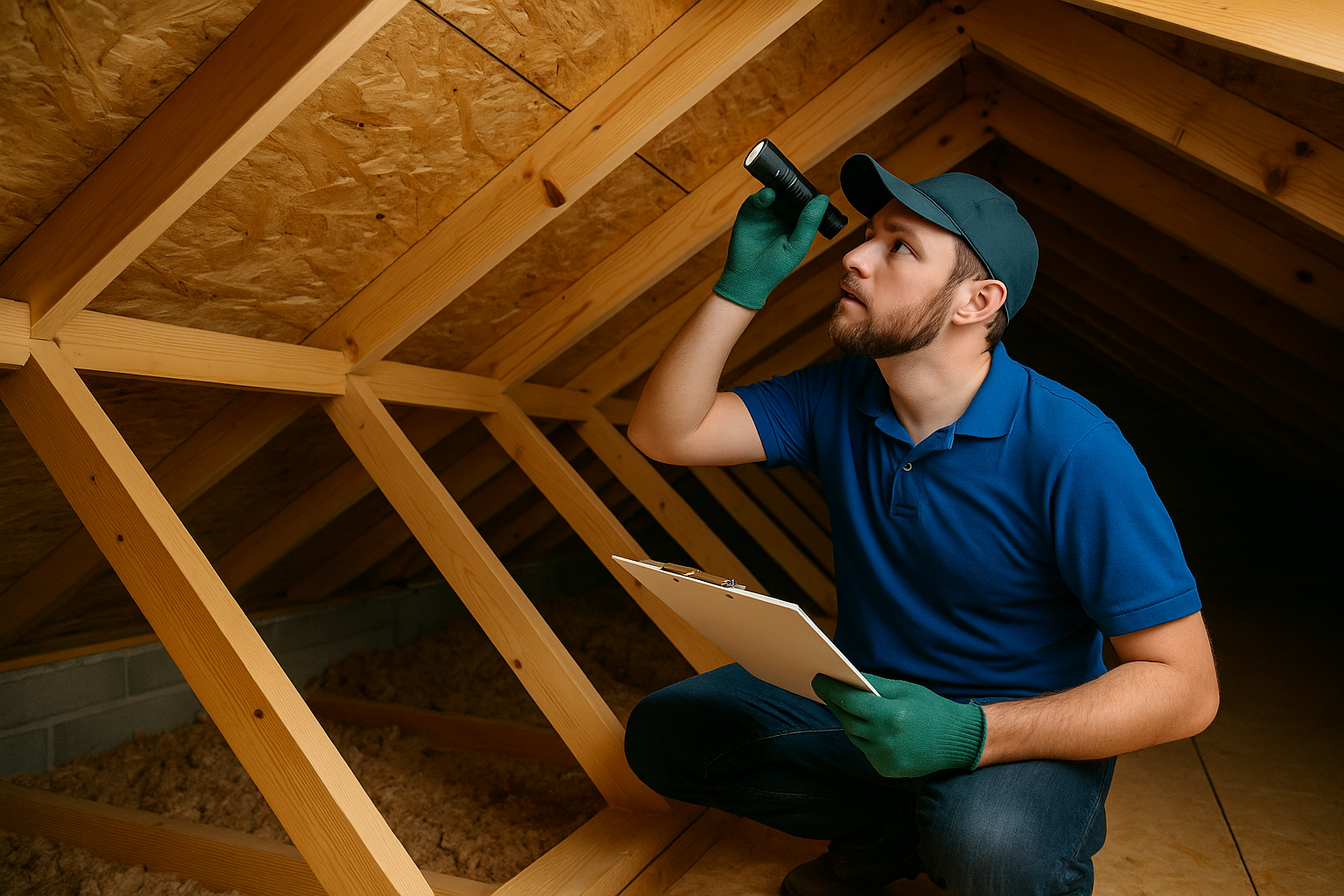
Choose a clear, sunny day and go up to your attic. Turn off the lights and let your eyes adjust. If you see any pinholes of daylight coming through the roof deck, that’s a direct path for water during heavy rain. Walk carefully and look for dark stains or discoloration on the wood, especially around vent pipes, chimneys, and where roof sections meet. Damp or flattened insulation usually means an active leak.
Also check your AC unit and drain pan. Many attic “roof leaks” end up being water from an overflowing AC system, not the roof itself. Signs of water damage in your attic mean it’s time to schedule a professional roof inspection before the next storm.
What to Look for in a Professional Roof Inspection
Understanding what to look for in a roof inspection helps you know when it’s time to bring in a contractor for a thorough check. Licensed roofers can safely get to areas you can’t reach and spot problems that aren’t obvious from your yard.
Flashing, Seals, and Hidden Problem Areas
Flashing around pipes and in roof valleys causes most hurricane leaks. The rubber boots around vent pipes crack over time. Metal flashing corrodes. Both create gaps where water can pour in during a storm. A contractor will check every seal and every joint.
Testing for Soft Spots and Structural Issues
Roofers walk across your roof feeling for soft spots under their feet. These spongy areas mean the wood underneath is rotting. That’s a big problem when high winds start pushing and pulling on your roof structure. They’ll also find nail pops, which are small bumps where nails are backing out and breaking the shingle seal.
When to Get a Roof Inspection?
Timing Your Inspection
April or early May is the ideal time to schedule your annual roof inspection. This gives you plenty of time to:
- Identify hidden damage from the winter months
- Make repairs before the rainy season
- Avoid summer rush pricing and long wait times
Don’t wait until July. That’s when everyone remembers their roof exists and inspection slots book fast.
After a Storm, Even If It “Looks Fine”
Always schedule an inspection after any major storm, especially one with hail or sustained wind. Why?
- Hail can bruise or crack shingles without obvious surface damage
- Wind can lift or loosen materials without dislodging them
- Leaks often appear weeks later when underlayment fails
Pro Tip: Just because you don’t see a leak doesn’t mean your roof escaped damage.
Selling or Buying a Home? What to Expect From Our Roof Check
Standard home inspections barely cover the roof, but we don’t offer a separate, formal roof-only service. Our visits are meant to lead to repair or service work, not stand-alone reports.
If we’re called out by a real estate agent and the purpose isn’t clear, we can still look over the roof and provide photos and notes — but this would fall under a paid visit, usually in the $200–$300 range.
This kind of check can help buyers understand the roof’s condition and help sellers avoid surprises, but it’s not offered as an independent inspection product.
How Often Should You Schedule an Inspection?
How often you schedule a roof inspection depends on your roof’s age and condition. As a general rule:
- If your roof is under 10 years old, every 2 to 3 years is usually enough.
- If your roof is 10 to 15 years old, get it checked every 1 to 2 years.
- If your roof is over 15 years old, schedule every year without fail.
Older roofing systems are more vulnerable to leaks, wind damage, and wear. Annual inspections help catch problems early before they turn into costly surprises.
Quick DIY Roof Checklist (Florida Hurricane Prep)
- From the ground (binoculars): Scan ridges, peaks, and corners for lifted or curled shingles.
- Debris: Note branches, palm fronds, or heavy leaf piles that trap moisture or could become projectiles.
- Gutters: Look for coarse black grit (shingle granules) and make sure downspouts are clear.
- Edges: Check soffits and fascia for peeling paint or water stains—signs water is getting behind gutters.
- Roof penetrations (what you can see): From the yard, eyeball vents and chimneys; flag any rusted or slipped flashing.
- Attic daylight test: Lights off; look for pinholes of light through the roof deck.
- Attic moisture test: Check for dark stains, damp or matted insulation, and musty smell, especially around vents, valleys, and chimneys.
- After a storm: Re-walk the yard for new shingle pieces, loose metal, or fresh stains in soffits.
If you check any box with an issue, it’s time to call a licensed contractor to confirm and fix the problem before the next system rolls in.
Getting Ready for Hurricane Season in Florida
Preparing for hurricane season in Florida starts with knowing what shape your roof is in. Walk around your property and do the ground-level checks we covered. Go up to your attic and look for light or water stains. Write down anything that concerns you and take photos from different angles.
If you spot problems, call a licensed roofer to take a closer look. Keep all your inspection reports and repair receipts in a safe place. Having documentation of your roof’s condition before a storm makes insurance claims go much smoother if you do end up with damage.
Hurricane prep isn’t about panicking. It’s about taking care of your home before the storm shows up. A simple checklist keeps you organized instead of scrambling when you see a tropical system forming in the Gulf.
About the author
The Cache Roofing Team writes from field experience on Northeast Florida roofs. Cache Roofing is a Florida certified roofing contractor (license #CCC1336213) based in Jacksonville. Learn more about the company.